Phoenix SVG: Digital Graphics & Crafts Design Asset
Last month, while preparing a new product collection for my Etsy shop, I came across the Phoenix SVG design. As someone who has been selling digital downloads and physical merchandise for several years, I have learned to evaluate each graphic design asset carefully before building products around it. The Phoenix SVG is marketed as a tumbler wrap laser SVG for 40oz tumblers, but I wanted to test its potential across multiple product categories before publishing any listings. This review shares what I discovered during that process, so you can decide if this design fits your own creative business.
First Impressions and the Right Buyer for This Design
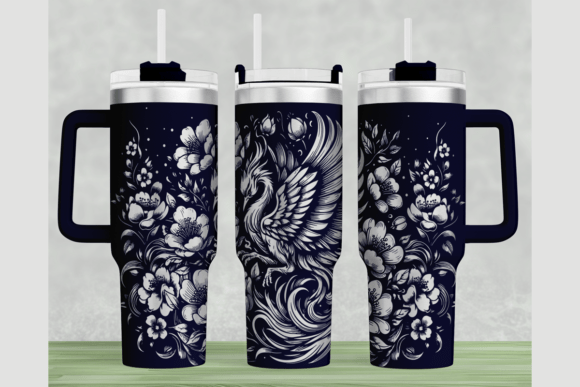
Opening the Phoenix SVG file, I immediately noticed the strong visual personality. The phoenix motif carries a sense of rebirth, strength, and dramatic elegance. The linework is bold enough to stand out on a laser engraved tumbler, yet detailed enough to hold up in larger print formats. This design does not feel playful or whimsical; it leans toward a confident, premium aesthetic that would attract buyers looking for statement pieces. In my experience, shoppers who gravitate toward phoenix imagery are often searching for motivational decor, bold fashion accessories, or symbolic gifts. The mood is serious, sophisticated, and slightly mystical, which gives it a clear niche within the handmade and small business branding space.
From a commercial design standpoint, the Phoenix SVG offers a graphic weight that works well on dark backgrounds and metallic surfaces. The contrast is strong, and the overall composition feels balanced. If you sell on creative marketplaces or run a print-on-demand store, you will likely find that this asset appeals to an audience interested in fantasy, mythology, or personal transformation themes. It is not a generic floral or geometric pattern; it makes a statement, and that can be a powerful advantage when you want your product listings to stand out in a crowded feed.
Real Product Uses for This Digital Design
Because the Phoenix SVG is delivered as a single SVG file designed for a 40oz tumbler, my first instinct was to test it on tumbler mockups. But I also wanted to explore how far this design could stretch across different product categories. Here are the applications I tested in my own workflow:
- Tumbler wraps and laser engraving: This is the primary use case. The design fits the 40oz tumbler template cleanly, and the SVG cut lines are precise enough for laser projects. I tested it on a stainless steel tumbler mockup, and the result looked professional.
- T-shirt and apparel graphics: I scaled the design to fit a chest-level print on a unisex t-shirt mockup. The phoenix shape retained its impact, though some fine details became less visible at smaller sizes. For larger prints like back-of-jacket designs, it worked beautifully.
- Mug and drinkware designs: On a standard 11oz mug, the design needed careful scaling to avoid crowding. The bold silhouette translated well, but the finer lines required a good resolution to remain crisp.
- Sublimation projects: I ran a sublimation test on a polyester tote bag. The colors held well, and the contrast was strong enough to read from a distance. This would also work for sublimation on ceramic tiles or coasters.
- Printable wall art: I created a framed print mockup using the phoenix silhouette against a dark background. The design looked like a piece of modern mythical decor, suitable for home offices or meditation spaces.
- Digital products and Canva templates: I imported the SVG into Canva and used it as a focal graphic for a social media template. It worked well as a brand element for small business branding, especially for shops that emphasize strength and transformation.
- Sticker and planner designs: I tried scaling the design down for a 2-inch sticker. At that size, some of the intricate details blurred together. For planner stickers or small die-cut decals, you might need a simplified version of the file.
Overall, the Phoenix SVG is most effective on medium to large product surfaces where its details can breathe. It shines on tumblers, apparel, tote bags, and large format prints. For tiny products like pins or small stickers, you may want to edit the design to retain legibility.
Testing Phoenix SVG Across Product Formats
Before listing any product, I always run a set of tests to see how the design behaves in different formats. With the Phoenix SVG, I focused on a few key areas. First, I checked the SVG cut quality. The file opened cleanly in both Cricut Design Space and Silhouette Studio. The paths were well-formed, with no stray nodes or broken lines. This is important because a messy SVG file can ruin a laser engraving or cut project and lead to customer frustration. The Phoenix SVG passed this test easily.
Next, I exported the design as a PNG with a transparent background. The transparency held correctly, and the edges were smooth. I tested it on both white and dark product mockups. On white backgrounds, the design appeared crisp and high-contrast, especially if you plan to use it as a heat transfer or sublimation graphic. On dark backgrounds, the phoenix stood out beautifully, which makes it a strong candidate for black t-shirts, dark tumblers, or navy tote bags. I also tested the design against a busy patterned background to see how it would perform in thumbnail images. The visual hierarchy held up well because the phoenix shape is distinct enough to separate from clutter.
For print-on-demand sellers, I recommend previewing the design as a marketplace thumbnail before finalizing your listing. Shrink the image down to around 200 pixels wide and see if the phoenix remains recognizable. In my test, it stayed readable at that size, which is a good sign for click-through potential on Etsy or Creative Fabrica. However, if you plan to use the design in a product bundle with multiple graphics, make sure the phoenix does not get lost among other elements. Its strength is its bold silhouette, so give it room to dominate the composition.
Where This Asset Shines in Product Presentation
The Phoenix SVG is a strong candidate for building a cohesive product collection. Because the design has a clear visual personality, you can create a series of items that share the same motif, which helps with brand consistency and perceived value. In my test run, I created three product concepts: a tumbler wrap, a t-shirt design, and a printable wall art piece. All three used the same Phoenix SVG, but each served a different price point and customer need. This kind of product bundle can increase average order value and make your shop look more professional.
In terms of product presentation, the design works well in mockup previews. I used a lifestyle mockup showing the tumbler on a wooden table with natural light, and the phoenix became the natural focal point. The visual storytelling helped convey the premium feel of the design. If you are building a seasonal collection, the phoenix motif can fit into themes like new beginnings, transformation, or empowerment, which are popular year-round but especially around New Year, graduations, or life changes. The design does not rely on holiday-specific symbols, so it has evergreen potential in your digital download catalog.
When creating listing images, I suggest using the Phoenix SVG as the hero graphic in at least one mockup. Let the design fill the frame so customers can see the detail. Supplement with close-up shots that show the texture of the engraving or print. This builds trust and helps customers imagine the finished product in their hands.
Where to Exercise Caution with This File
No design asset is perfect for every application, and the Phoenix SVG has a few limitations worth noting. The most important is detail density. The phoenix artwork includes some fine feathers and curved lines that may not survive aggressive scaling. If you shrink the design below a certain threshold, those details can become muddled. For small products like keychains, earrings, or tiny stickers, you may need to simplify the design or use a different asset altogether. I would not recommend this file for items where the print area is smaller than two inches in any dimension.
Another consideration is contrast on light backgrounds. While the design looks strong on white surfaces, the finer lines are more visible when there is high contrast. On a cream or pastel background, the details might not pop as effectively. If you plan to sell products with light-colored substrates, consider offering a variant with thicker strokes or a filled silhouette version. Similarly, on very dark backgrounds, the design reads well, but if the material is matte black, some engraving or print contrasts may soften. Always test your actual production method before listing.
Finally, because this is a single SVG file designed for a specific tumbler size, you will need to adapt it for other surfaces. The file is not a multi-size bundle, so you must scale it yourself. This is manageable for experienced sellers, but if you are new to SVG editing, give yourself extra time to adjust the proportions for mugs, shirts, or wall art. And always verify the commercial license terms. Most digital products on creative marketplaces include a commercial license for physical products, but you should confirm that you can sell finished items made with the Phoenix SVG. Some licenses restrict the number of sales or require attribution.
Practical Seller Notes Before You Publish
Based on my testing, here is a checklist of steps I recommend before you launch any product featuring the Phoenix SVG. First, test the design on real mockups. Do not rely solely on the preview image that comes with the file. Use your own product photos or high-quality mockups to see how the design behaves in a realistic setting. Second, preview the file as a marketplace thumbnail. Shrink it down to the size it will appear in search results. If the phoenix is not clearly visible, consider using a different design for that product format.
Third, test print colors if you are using sublimation or DTG. The black-and-white SVG will translate to any solid color, but the contrast and mood will change. A gold phoenix on a navy tumbler feels luxurious; a red phoenix on a black shirt feels intense. Choose your color pairing intentionally to match your brand identity. Fourth, verify the PNG transparency if you offer digital downloads. Customers who buy clipart packs expect clean edges and no background artifacts. The Phoenix SVG exported cleanly in my test, but you should double-check your own export settings.
Fifth, organize your files clearly for customers. If you sell the SVG as a digital download, include a product guide that recommends compatible software and materials. This reduces support questions and improves customer satisfaction. Sixth, consider pairing the design with complementary font styles. A serif font like Playfair Display or a modern sans serif like Montserrat can reinforce the premium feel. If you want a more mystical tone, try a script font or a handwritten style. Avoid overly decorative fonts that compete with the phoenix silhouette. The visual hierarchy should keep the bird as the main focal point.
Finally, confirm your commercial licensing. Whether you sell on Etsy, Creative Fabrica, or your own Shopify store, make sure the license allows you to create physical products for sale. Most SVG designs for tumblers come with a standard commercial license, but the terms vary. Read the license file included with your purchase or contact the seller if you are unsure. This step protects your shop from legal issues down the road.
In my own workflow, the Phoenix SVG earned a place in my current product lineup. It offers strong visual appeal, reliable file quality, and enough versatility to support several product types. It is not a one-size-fits-all asset, but for sellers who work with tumbler wraps, apparel, wall art, and motivational merchandise, it is a solid addition to any design bundle. If you take the time to test it thoroughly before publishing, you can build a collection that feels cohesive, professional, and ready for the creative marketplace.